

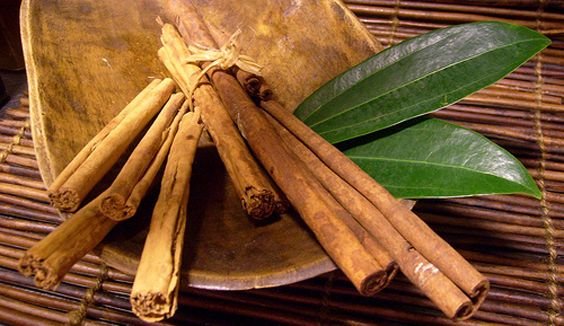
Cinnamon, one of the most prized spices in the world, has been cultivated and traded for centuries. Among the various types of cinnamon, Sri Lankan cinnamon, also known as Ceylon cinnamon (Cinnamomum verum), stands out as the finest and most sought-after variety. Renowned for its delicate flavor, aromatic sweetness, and superior quality, Sri Lankan cinnamon has earned its reputation as the best in the world. This article explores the factors that contribute to the unparalleled quality of Sri Lankan cinnamon, including its unique cultivation methods, historical significance, chemical composition, and global demand.
1. Historical Significance of Sri Lankan Cinnamon
Sri Lanka, formerly known as Ceylon, has a long and storied history with cinnamon. The spice has been a cornerstone of the island’s economy and culture for over 2,000 years. Ancient texts and historical records indicate that cinnamon from Sri Lanka was highly valued by traders from Arabia, Egypt, and Europe. The Portuguese, Dutch, and British colonial powers all sought to control the lucrative cinnamon trade, further cementing Sri Lanka’s position as the global hub for premium cinnamon.
The term Ceylon cinnamon itself is a testament to the island’s historical dominance in the spice trade. Even today, the name evokes a sense of authenticity and quality that is unmatched by other varieties. This rich heritage has contributed to the global perception of Sri Lankan cinnamon as the gold standard.
2. Ideal Climatic and Soil Conditions
The superior quality of Sri Lankan cinnamon is deeply rooted in the island’s unique climatic and soil conditions. Sri Lanka’s tropical climate, characterized by high humidity, abundant rainfall, and consistent temperatures, provides the perfect environment for cinnamon cultivation. The spice thrives in the island’s coastal regions, particularly in the districts of Galle, Matara, and Ratnapura, where the soil is rich in organic matter and well-drained.
Unlike other cinnamon-producing regions, Sri Lanka’s microclimates allow for year-round cultivation, ensuring a steady supply of high-quality cinnamon. The combination of these natural factors results in cinnamon with a distinct flavor profile, characterized by its mild sweetness and complex aroma.
3. Cultivation and Harvesting Techniques
The cultivation and harvesting of Sri Lankan cinnamon are steeped in tradition and expertise. Cinnamon trees are typically grown from seeds or cuttings and require careful nurturing for two to three years before they are ready for harvest. The bark, which is the most valuable part of the plant, is harvested during the rainy season when it is most pliable.
The harvesting process is labor-intensive and requires skilled workers. The outer bark is carefully scraped away, and the inner bark is extracted in long, thin strips. These strips are then rolled by hand into the characteristic quills, which are left to dry in the sun. This meticulous process ensures that the cinnamon retains its essential oils and aromatic compounds, contributing to its superior quality.
4. Chemical Composition and Health Benefits
One of the key factors that set Sri Lankan cinnamon apart is its unique chemical composition. Unlike cassia cinnamon (Cinnamomum cassia), which is commonly found in other parts of the world, Ceylon cinnamon contains significantly lower levels of coumarin, a naturally occurring compound that can be harmful in large doses. This makes Sri Lankan cinnamon a safer choice for regular consumption.
In addition to its low coumarin content, Ceylon cinnamon is rich in essential oils, antioxidants, and bioactive compounds such as cinnamaldehyde, eugenol, and linalool. These compounds contribute to its anti-inflammatory, antimicrobial, and blood sugar-regulating properties. Scientific studies have shown that Ceylon cinnamon may help reduce the risk of chronic diseases, including diabetes, heart disease, and neurodegenerative disorders.
5. Flavor Profile and Culinary Applications
The flavor profile of Sri Lankan cinnamon is another reason for its global acclaim. Ceylon cinnamon is known for its delicate, sweet, and slightly citrusy flavor, which is less pungent than that of cassia cinnamon. This subtlety makes it a versatile ingredient in both sweet and savory dishes.
In Sri Lankan cuisine, cinnamon is a staple in curries, rice dishes, and desserts. Internationally, it is widely used in baking, beverages, and confectionery. The unique flavor of Ceylon cinnamon enhances the taste of dishes without overpowering other ingredients, making it a favorite among chefs and home cooks alike.
6. Global Demand and Economic Impact
Sri Lankan cinnamon enjoys a strong demand in international markets, particularly in Europe, North America, and the Middle East. The spice is exported in various forms, including quills, powder, and essential oil. Sri Lanka accounts for a significant share of the global cinnamon market, with exports generating substantial revenue for the country’s economy.
The global preference for Ceylon cinnamon is driven by its superior quality and health benefits. Consumers are increasingly seeking out authentic, high-quality spices, and Sri Lankan cinnamon meets this demand. The Sri Lankan government and industry stakeholders have also taken steps to promote the spice through certifications and branding initiatives, further enhancing its reputation on the global stage.
7. Challenges and Opportunities
Despite its many advantages, the Sri Lankan cinnamon industry faces several challenges. Climate change, fluctuating market prices, and competition from other cinnamon-producing countries pose threats to the sector. However, these challenges also present opportunities for innovation and growth.
Efforts to adopt sustainable farming practices, improve processing techniques, and expand value-added product lines can help Sri Lanka maintain its competitive edge. Additionally, increasing awareness of the health benefits of Ceylon cinnamon can drive demand and open new markets.
Sri Lankan cinnamon, with its rich history, unique flavor, and exceptional quality, is rightly regarded as the best in the world. The island’s ideal growing conditions, traditional cultivation methods, and commitment to quality have cemented its position as the global leader in cinnamon production. As consumers continue to prioritize authenticity and health, the demand for Ceylon cinnamon is likely to grow, ensuring its place as a cherished spice for generations to come.